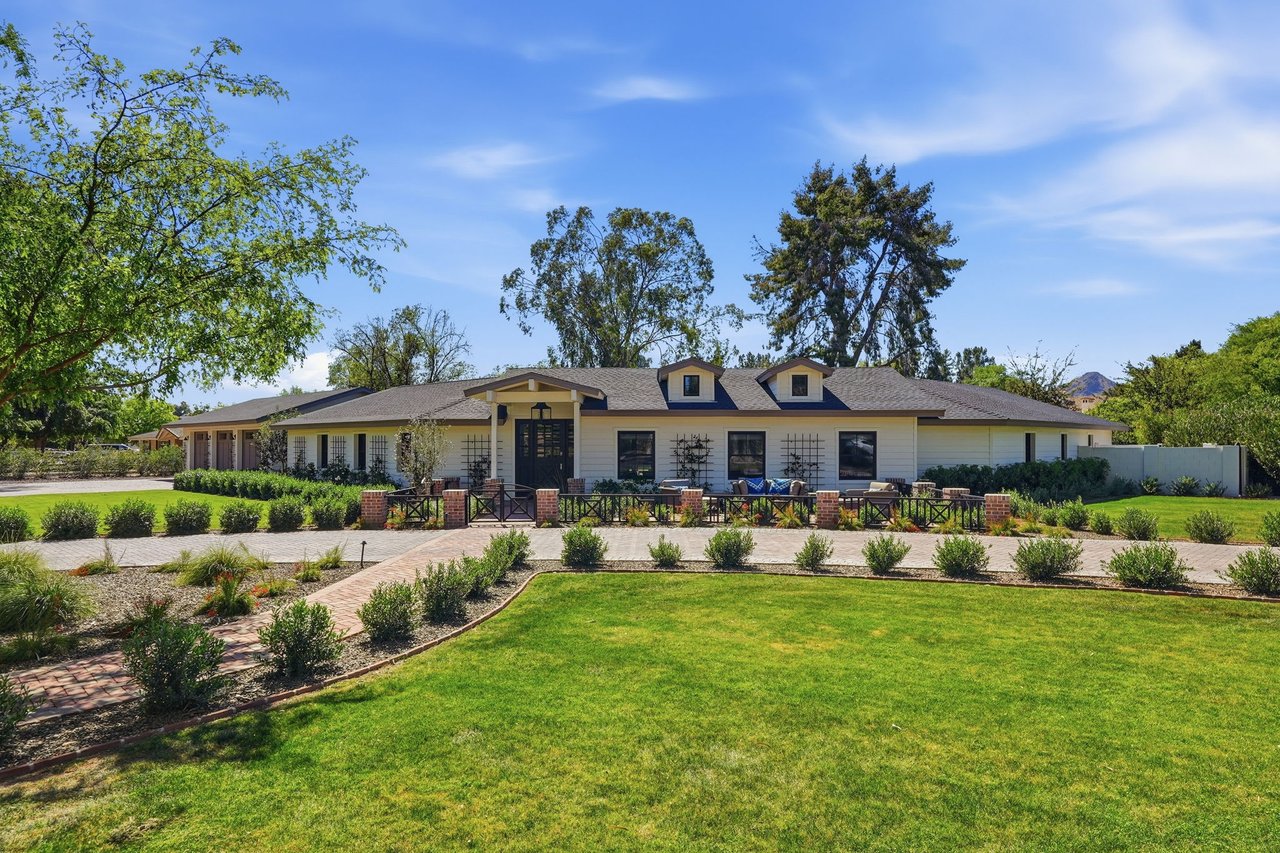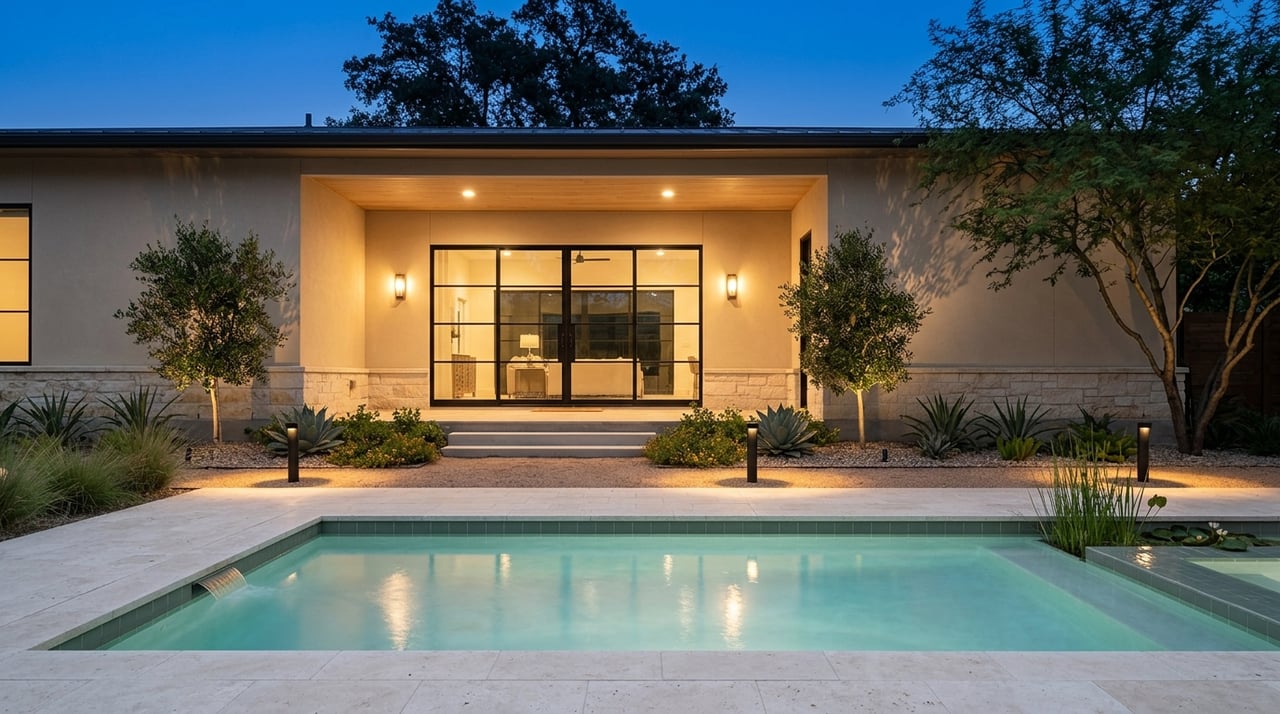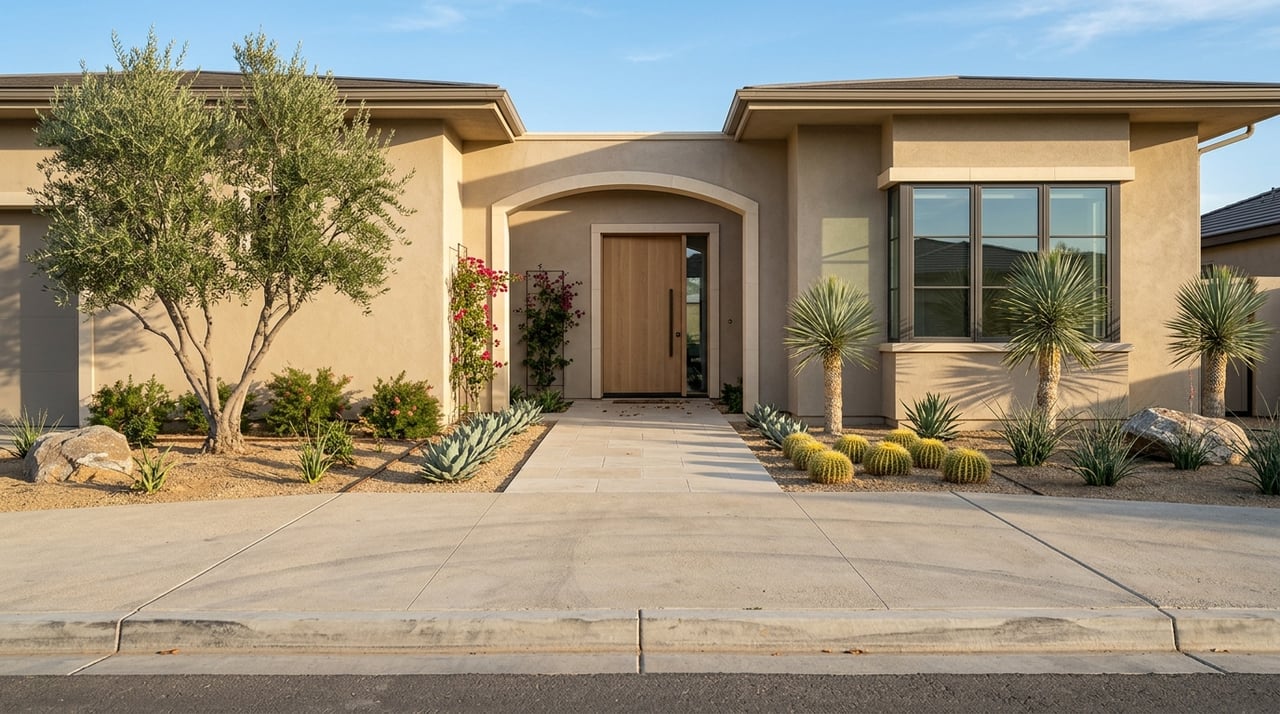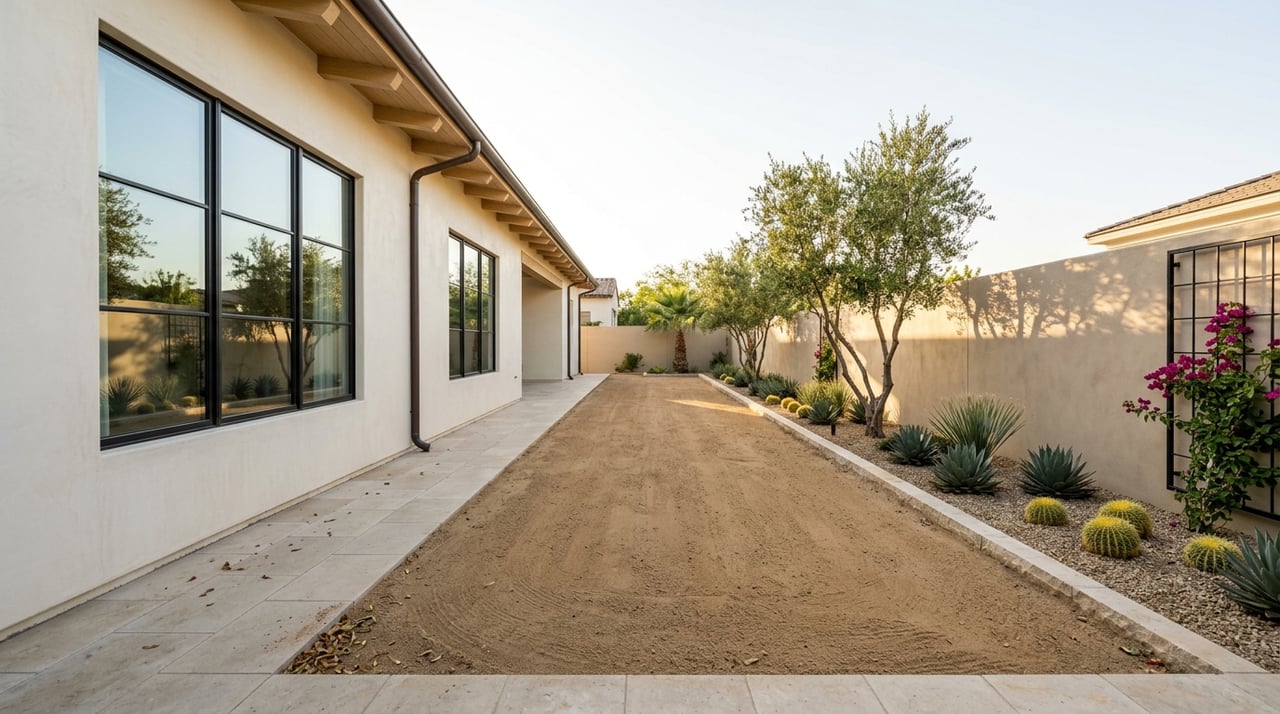
Wondering whether a property in Paradise Valley Farms is valuable because of the house, the land, or both? In this part of Scottsdale’s 85258 market, that question matters more than most buyers and sellers realize. If you are evaluating a teardown, major remodel, or long-term hold, the real story often starts with the lot itself. Let’s look at what shapes lot value and redevelopment potential in Paradise Valley Farms.
Why lot value matters here
Paradise Valley Farms is a low-density single-family neighborhood with recorded subdivision history dating to 1967. According to recent Scottsdale planning materials, the neighborhood is zoned R1-43, which is the city’s single-family district built around 43,000-square-foot lots.
That sounds simple on paper, but lot size alone does not tell you how flexible a property really is. In this neighborhood, value often comes from the amount of usable, buildable land after setbacks, easements, and plat conditions are taken into account.
How R1-43 zoning shapes redevelopment
In Scottsdale’s zoning framework, R1-43 comes with meaningful dimensional standards. City materials comparing R1-43 standards show a 150-foot minimum lot width along with setbacks of 40 feet in front, 20 feet on the sides, and 35 feet in the rear.
Those rules can shrink the practical building envelope more than you might expect. A large parcel may still have a limited design window if frontage, orientation, or existing improvements make the envelope less efficient.
Setbacks are a real constraint
In Paradise Valley Farms, setbacks are not just technical details. Scottsdale board and planning cases show the city has treated these standards as serious design limits, including reports noting the required 40-foot front setback in R1-43 and a 2025 variance denial involving front and side yard relief.
For buyers, that means a lot that already works within the code can carry a premium. For sellers, it means a parcel with a clean envelope may deserve more attention than one with a slightly larger recorded size but more complications.
Lot width and shape matter
A parcel can meet the general zoning district and still present design tradeoffs. Width, depth, and street exposure influence where a home, garage, pool, courtyard, and accessory structures can actually go.
In practical terms, two lots with the same square footage may offer very different redevelopment outcomes. A cleaner rectangle with efficient frontage can be easier to design around than an irregular parcel with awkward constraints.
Recorded plats and easements can change the math
Because Paradise Valley Farms is a recorded subdivision, old plats, dedications, and easements can materially affect value. Scottsdale’s 8003 N. 75th Street planning case referenced a 55-foot fee-simple right-of-way dedicated by the original 1967 plat.
That same city case also noted a residence that had become nonconforming until a right-of-way abandonment and replat were processed. This is an important reminder that what appears to be a large lot on a listing sheet may not match the lot’s true redevelopment flexibility.
Buildable land matters more than raw acreage
This is one of the biggest valuation points in Paradise Valley Farms. The market tends to reward land that can support a new custom home or major renovation without unusual entitlement issues.
A parcel with fewer easements, cleaner setbacks, and stronger geometry often has more practical value than a larger lot with hidden encumbrances. In a neighborhood with active redevelopment, reduced design risk can be a major advantage.
What usually adds redevelopment premium
Not every large lot commands the same response from buyers, builders, or investors. In this pocket, premium tends to follow a few specific characteristics.
Clean compliance with current standards
Lots that can accommodate a new custom home within the existing R1-43 framework often stand out. If a buyer can move forward without pursuing a variance or redesigning around avoidable constraints, the property may feel more predictable and more valuable.
That kind of clarity matters in a market where time, entitlement risk, and construction planning all affect the final outcome. Simpler paths to execution often support stronger pricing.
Efficient orientation for design
Orientation changes the livability and flexibility of a homesite. If the street frontage, setbacks, and placement of improvements create a better layout for entry, garage access, outdoor living, and privacy, the lot may support a better end product.
Scottsdale’s accessory-structure rules also reinforce this point. Detached garages, sheds, and pergolas are not allowed in required front or side yard setbacks, and street-access structures must be set back at least 20 feet from the back of ultimate improvements.
Mature desert landscape
Landscaping is not just cosmetic in Scottsdale. The city’s Native Plant Ordinance protects certain native cacti and trees and requires a native plant permit to remove, relocate, or destroy protected plants.
The city also notes that mature desert plants are slow-growing and can take decades to replace. For that reason, established desert landscaping and mature canopy can be both an asset and a planning consideration during redevelopment.
Strong surrounding build quality
The surrounding block also influences how buyers view a lot. When neighboring homes have already been updated or redeveloped to a higher standard, the next parcel may benefit from a higher perceived ceiling.
On the other hand, if nearby properties remain older or include nonconforming conditions, the path to highest and best use can feel less clear. In a design-driven market, context matters.
Why accessory structures deserve attention
Accessory structures can add flexibility, but only if they fit inside the rules. In Paradise Valley Farms, detached garages, pergolas, sheds, or similar improvements still need to work within setbacks and access standards.
That becomes important when you are evaluating a teardown or large-scale renovation. If guest space, storage, or a detached garage is part of your plan, those features need to fit the site without undermining the main residence footprint.
Scottsdale’s newer ordinances may affect optionality
Scottsdale adopted an ADU ordinance on September 30, 2025, and a middle-housing ordinance on November 17, 2025. These changes may create more future optionality for some single-family lots than existed before.
That said, optionality is not automatic. Location exclusions, development standards, and any private CC&Rs can still limit what is feasible on a specific parcel, so lot-by-lot review remains essential.
A practical way to evaluate a lot
If you are comparing properties in Paradise Valley Farms, a simple diligence framework can help you avoid expensive assumptions.
1. Confirm the plat and zoning
Start with the recorded plat, current zoning, and parcel geometry. Even within the same subdivision, parcel-specific easements, dedications, and encroachments can materially change redevelopment potential.
2. Compare the house to the envelope
Look at where the existing home sits on the lot. If the house is pushed toward the front setback, if the garage dominates the frontage, or if accessory structures crowd the side yard, the site may be less flexible than it first appears.
3. Review the landscape early
Mature trees and desert planting can add real value, but they can also affect demolition and site planning. Since Scottsdale requires a native plant inventory report and site plan for single-family projects at building-plan review, landscape conditions should be part of your early analysis.
What this means for buyers and sellers
If you are buying in Paradise Valley Farms, it helps to think beyond square footage and curb appeal. The most attractive opportunity may be the parcel that offers the best combination of compliance, geometry, and design freedom.
If you are selling, your lot may deserve a more nuanced story than a standard listing description provides. In this neighborhood, value can come from clean redevelopment potential, established landscape assets, and a parcel configuration that supports a stronger custom-home outcome.
That is where experienced land and development guidance becomes useful. In a market where lot quality can drive pricing as much as the residence itself, informed positioning can make a measurable difference.
If you are evaluating a homesite, teardown candidate, or legacy property in Scottsdale, The Estates Office offers discreet guidance shaped by land, design, and redevelopment strategy.
FAQs
What does R1-43 zoning mean in Paradise Valley Farms?
- R1-43 is Scottsdale’s single-family residential zoning district tied to 43,000-square-foot lots, with city standards that include a 150-foot minimum lot width and setbacks of 40 feet front, 20 feet side, and 35 feet rear.
Why does lot shape matter for Paradise Valley Farms redevelopment?
- Lot shape matters because usable design space depends on how the building envelope fits within setbacks, frontage, and access conditions, not just the total square footage shown on paper.
How do easements affect lot value in Paradise Valley Farms?
- Easements, dedications, and right-of-way conditions can reduce buildable area or create nonconforming situations, which can directly affect redevelopment flexibility and pricing.
Can mature landscaping increase Paradise Valley Farms lot appeal?
- Yes. Mature desert landscaping and canopy can add buyer appeal, and Scottsdale notes that protected native plants can take decades to replace, which gives established landscape a practical and visual value.
Are accessory structures allowed on Paradise Valley Farms lots?
- Yes, but accessory structures such as detached garages, sheds, and pergolas must still comply with Scottsdale’s setback and access rules.
Do Scottsdale’s 2025 zoning changes affect Paradise Valley Farms properties?
- They may. Scottsdale adopted ADU and middle-housing ordinances in 2025, but any added flexibility still depends on location-specific rules, development standards, and private CC&Rs.