If you are watching Paradise Valley right now, one thing stands out fast: this is not a typical luxury market. Prices, lot sizes, and buyer expectations all operate at a different level here, especially when you are looking at estates and land. If you want to understand where value is moving and what matters most in 2026, this guide will help you read the market more clearly. Let’s dive in.
Paradise Valley Holds a Unique Position
Paradise Valley remains the highest-priced estate market in the Phoenix corridor based on the latest public city-level snapshots. Realtor.com reported 372 homes for sale, a median listing price of $4,992,500, a median sold price of $4,797,500, 75 days on market, and a 95% sale-to-list ratio, describing the market as balanced.
That pricing is in a different league from nearby Scottsdale, where the median listing price was about $1,059,500. In simple terms, Paradise Valley continues to function as the Valley’s ultra-luxury peak, not just another high-end adjacent market.
The broader luxury data supports that view. Realtor.com’s June 2026 luxury comparison placed Phoenix’s top 10% threshold at $1,500,608, while Paradise Valley’s 85253 ZIP code showed a median listing price near $4,999,250 with 281 active listings. That gap helps explain why Paradise Valley attracts buyers focused on estate-level properties rather than general luxury inventory.
Why Land Scarcity Is Structural
In Paradise Valley, limited supply is not just a short-term cycle. It is built into the town itself. The Census Bureau estimates a 2025 population of 12,251 across just 15.38 square miles, with a 95.0% owner-occupied housing rate and a median owner-occupied home value above $2,000,000.
That matters because markets with high owner occupancy and long-term ownership usually do not turn over like conventional suburban markets. Many owners are established, well-positioned, and not under pressure to move, which naturally keeps inventory tight.
Town regulations reinforce that scarcity. Paradise Valley’s zoning includes large minimum lot sizes such as R-43 at 43,560 square feet, R-35 at 35,000 square feet, R-18 at 18,000 square feet, and R-10 at 10,000 square feet, along with a 25% floor-area-ratio cap in major single-family districts.
Height standards also shape what can be built. Depending on lot size and district, maximum heights can be 24, 26, or 30 feet, and hillside parcels face additional review related to grading, drainage, lighting, materials, and site disturbance. For buyers and sellers alike, this means Paradise Valley land is filtered by design constraints long before a property ever reaches the market.
What the Land Market Looks Like Now
Land in Paradise Valley is rare, and the available inventory shows it. Redfin’s land page showed 26 land-for-sale results, with most offerings consisting of estate-sized parcels, mountain-view lots, or homes with remodel or teardown potential.
That is an important distinction. In Paradise Valley, land is rarely just vacant dirt. It is often a highly specific product where value depends on lot size, topography, views, orientation, privacy, and how far a future buyer can move through planning and approvals.
Some current examples in the report included a 1.2-acre Mummy Mountain view lot at $1.95 million, a 1.68-acre lot at $6.195 million, and a parcel marketed with plans and permits. Those examples show how much pricing can vary based on usability and development certainty, not just acreage.
Estates, Legacy Homes, and Teardown Sites
One of the clearest trends in Paradise Valley is that you are really looking at three overlapping markets. The first is finished estates, where buyers may pay a premium for design, convenience, and immediate enjoyment. The second is legacy homes on premium lots, where the structure may be dated but the site is difficult to replace. The third is true land or teardown opportunities.
This is why the lot often matters as much as, or more than, the house itself. A flat acre with a strong view corridor, privacy, and clean orientation can carry significant value even if the existing improvements are no longer the main draw.
For buyers, that changes the evaluation process. A polished new build may justify its premium if it saves time and removes uncertainty. A legacy home may be compelling if the site is exceptional. A teardown or vacant parcel may offer the best long-term upside if the entitlement path is clear.
Why Entitlement and Timing Matter More
In many markets, buyers compare finishes first. In Paradise Valley, they also compare timeline risk. Current listings often highlight plans, permits, or other entitlement advantages because those items can materially shorten the path to a finished home.
That creates a meaningful value gap between a ready-to-build parcel and a cheaper site with more unknowns. If you are buying land here, the question is not only what the property costs today. It is also how much time, friction, and uncertainty stand between you and the final product.
For sellers, this creates strategy opportunities too. A legacy property may compete better when the lot is large, level, well-sited, or already positioned in a way that appeals to builders and design-conscious buyers. In a market like Paradise Valley, the story around the site can be just as important as the home itself.
What Buyers Appear to Want
The buyer profile in Paradise Valley looks established, affluent, and lifestyle-driven. Census data, owner-occupancy patterns, and local planning priorities suggest a market shaped by long-term owners, downsizers who want to remain in town, high-income local buyers, and outside luxury buyers drawn to the Phoenix corridor.
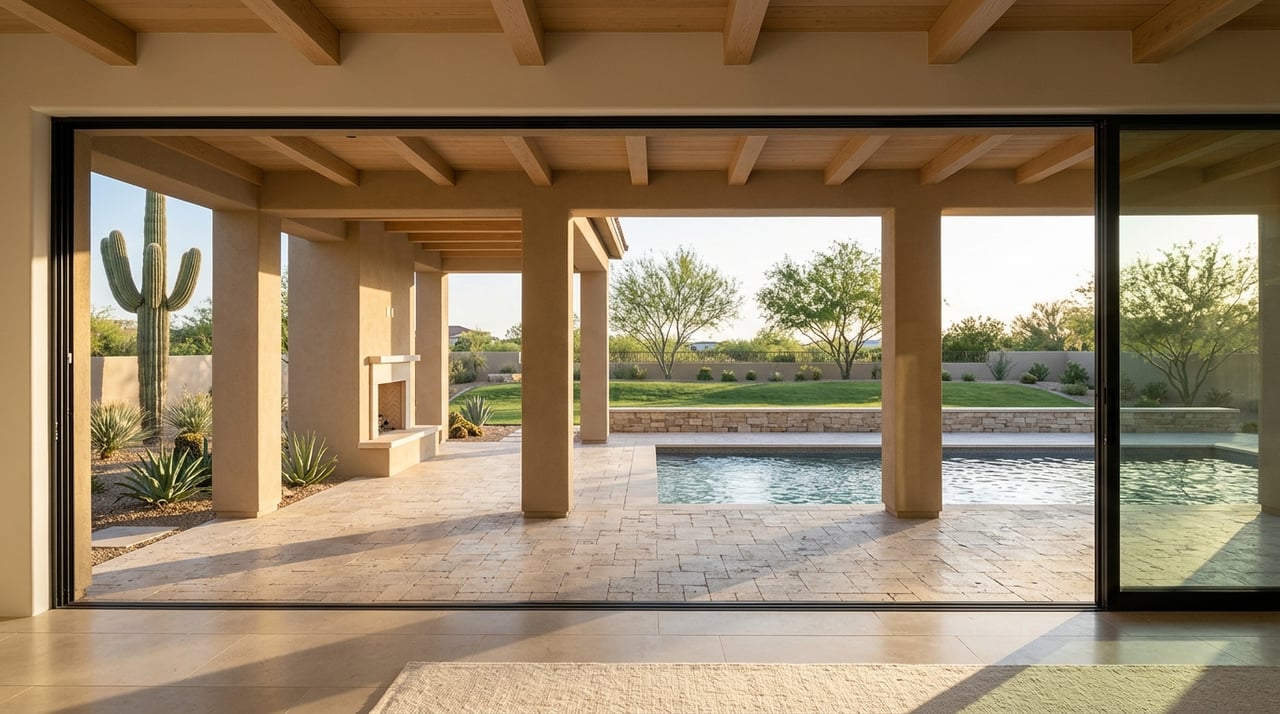
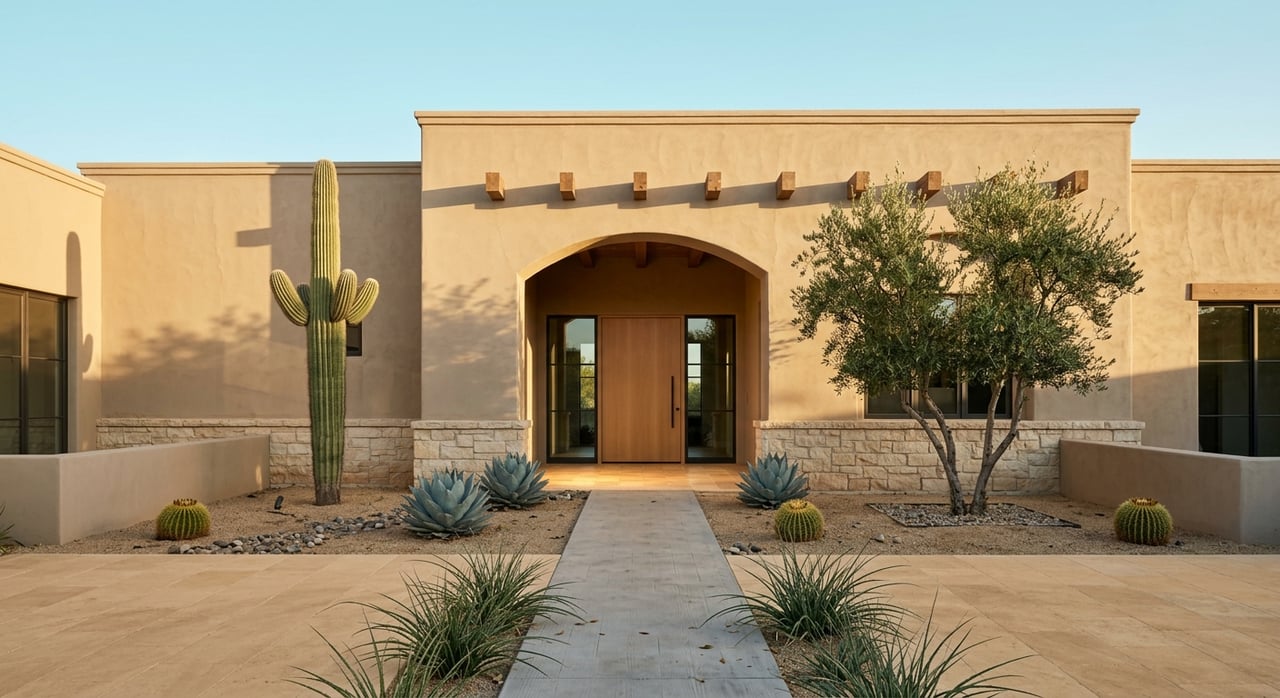
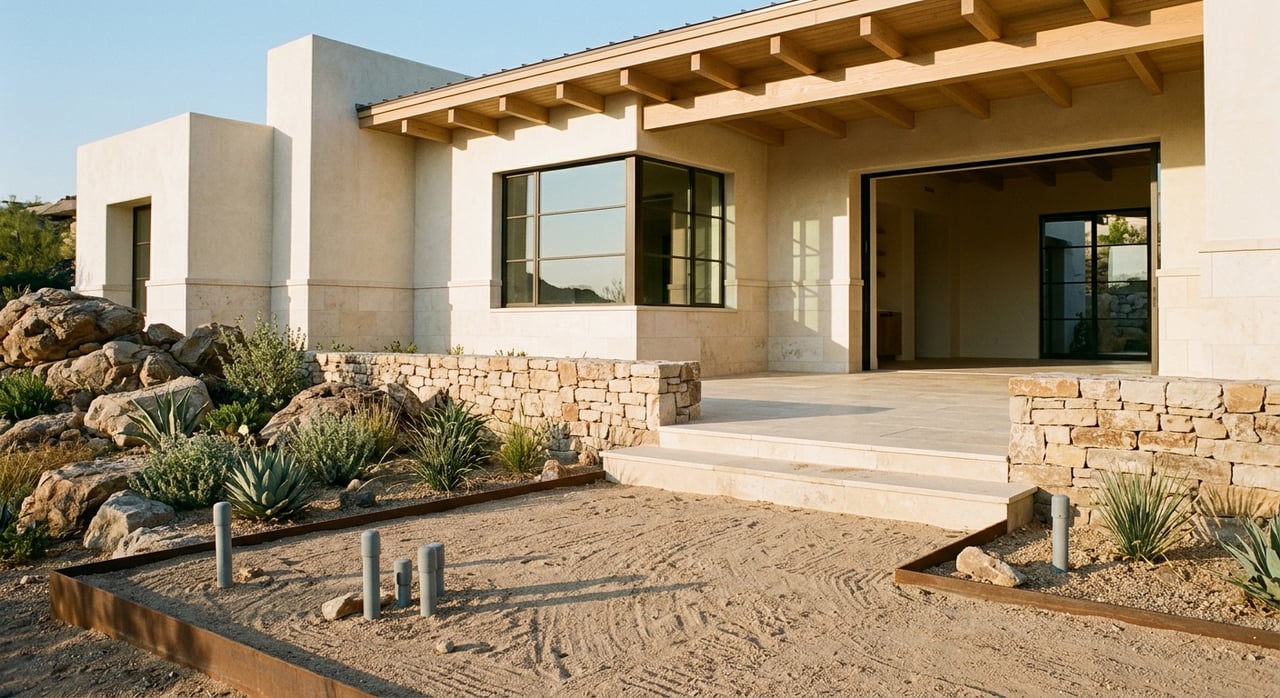
The architecture and amenity preferences in current listings reflect that profile. Repeated themes include single-level or low-profile estates, indoor-outdoor living, guest houses, wellness or game spaces, rooftop decks, generous garage capacity, and homes positioned for Camelback or Mummy Mountain views.
These preferences align with the town’s emphasis on open space, controlled height, and overall design quality. Buyers are not simply paying for more square footage. They are paying for privacy, usable land, protected views, and a resort-style living experience that fits the site.
Pricing Power Is Real, But Buyers Are Selective
Paradise Valley still commands exceptional pricing, but that does not mean every property sells easily. ARMLS reported that 75% of May 2026 closings occurred after a median price reduction of $25,000. The same report said Maricopa County new-home sales fell 14% year over year, while the median price gap between new construction and resale narrowed to 7%, well below the historical May average of roughly 30%.
The takeaway is simple: even at the top of the market, buyers are comparing options carefully. Finished estates, resale homes, and land opportunities are all competing for the same luxury buyer pool. Scarcity still matters, but value, certainty, and quality matter just as much.
That makes precise positioning more important than broad price optimism. A home or parcel that is priced and presented in line with its true site quality can stand apart. A property that leans too heavily on prestige without enough supporting value may take longer to move.
How to Read Value in Paradise Valley
If you are buying or selling in Paradise Valley, broad averages only tell part of the story. Two properties near the same price point can have very different value depending on the lot and the development path.
When evaluating estates and land, it helps to focus on a few practical filters:
- Lot usability: Flat, buildable, and efficient sites often carry a premium.
- View quality: Camelback or Mummy Mountain orientation can materially affect desirability.
- Privacy: Distance, setbacks, and natural screening matter in this market.
- Entitlement status: Plans, permits, or development groundwork can shorten timelines.
- Design fit: Low-profile architecture and strong indoor-outdoor flow tend to match local demand.
- Replacement difficulty: Irreplaceable lots often outperform cosmetic advantages.
These factors help explain why one $5 million property may feel fully justified while another feels aspirational. In Paradise Valley, site quality is often the clearest driver of long-term value.
What This Means for Buyers and Sellers
For buyers, patience and precision matter. The right opportunity may be a finished estate, a legacy property with an exceptional homesite, or a land parcel with unusually strong development readiness. The best fit depends on how much time, customization, and risk you are willing to take on.
For sellers, understanding your property’s real category is essential. A home should not always be positioned only as a finished residence. In some cases, its highest appeal may be tied to the lot, the view corridor, the privacy profile, or the rebuild potential.
In a market this nuanced, strategy has to go beyond square footage and surface-level comps. Pricing, presentation, and buyer targeting all need to reflect what sophisticated Paradise Valley buyers are actually purchasing.
If you are considering a move, a sale, or a land acquisition in Paradise Valley, working with an advisor who understands both estate value and development logic can make the process far more informed. To explore your next step with a discreet, market-driven approach, connect with The Estates Office.
FAQs
What is the current luxury price level in Paradise Valley?
- Recent public market snapshots reported a median listing price of $4,992,500 and a median sold price of $4,797,500 in Paradise Valley.
How many land listings are available in Paradise Valley?
- The research report cited 26 land-for-sale results, showing how limited and specialized the land inventory is.
Why is Paradise Valley land so expensive?
- Land values are shaped by limited supply, large minimum lot sizes, height limits, hillside review, privacy, views, and the difficulty of replacing premium homesites.
Are legacy homes in Paradise Valley still valuable?
- Yes. In many cases, a dated home on a strong lot can be highly valuable because the site itself may be more important than the existing structure.
What features do Paradise Valley estate buyers seem to prefer?
- Current listing patterns point to single-level or low-profile homes, indoor-outdoor living, guest houses, garage capacity, wellness amenities, and mountain views.
Is Paradise Valley a buyer’s or seller’s market right now?
- Recent data described Paradise Valley as a balanced market, which means pricing strategy and property-specific value remain especially important.